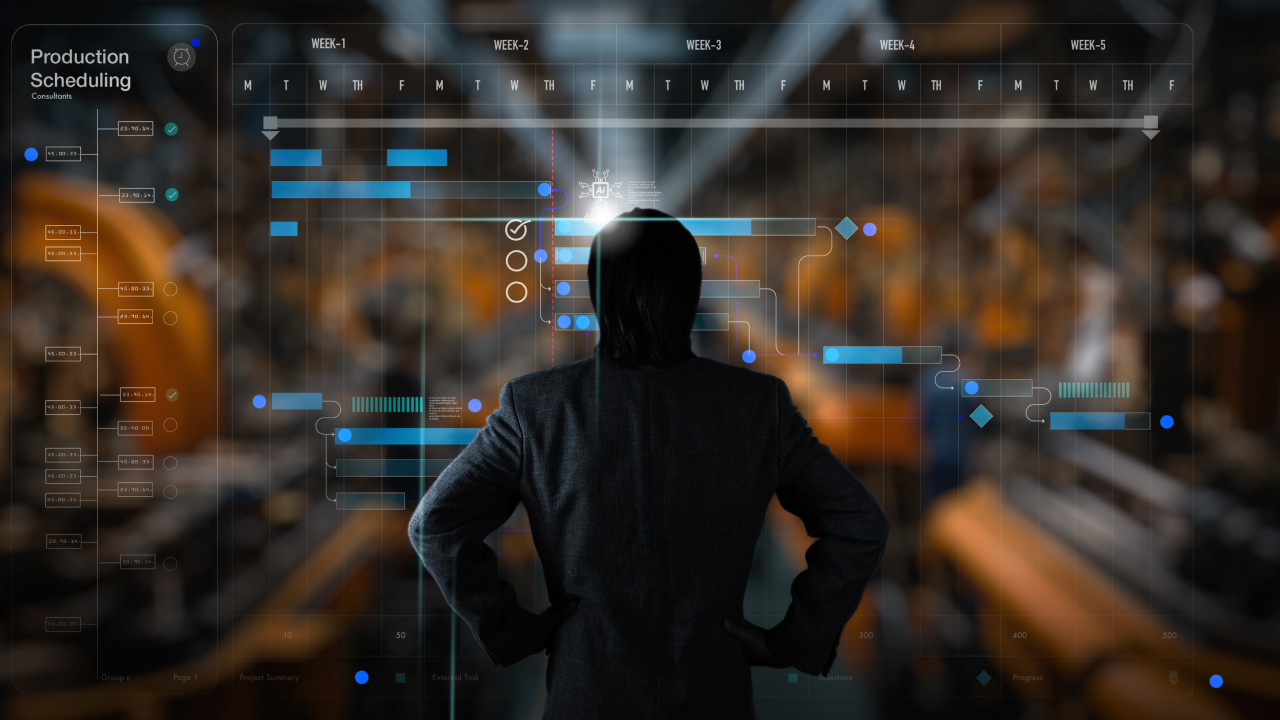

How SyncManufacturing® APS and Solumina MES Work Together to Close the Loop Between Planning and Execution
- Are Your Systems Synchronized–Or Merely Integrated?
- SyncManufacturing: Advanced Planning and Scheduling for Complex Environments
- Solumina MES: The Execution Backbone
- Real-Time, Closed-Loop Production Management
- Empowering Planners and the Plant Floor
- Take the Next Step
Despite unprecedented access to computing power and advanced systems, many manufacturers still rely on spreadsheets, tribal knowledge, and disconnected point systems to manage production. This means their days are often spent chasing down information, working to outdated schedules, and losing customer confidence as promised deliveries slip. In complex environments, even small delays can quickly build into major issues as they ripple across sites, work centers, and interdependent work orders.
Are Your Systems Synchronized–Or Merely Integrated?
In many production environments, systems are technically “connected,” yet the organization fails to achieve the promised benefits of a truly synchronized operation. When we look beneath the surface, we see that although the systems are integrated, they are anything but synchronized.
The shortcomings of this kind of integration surface quickly as operations managers are forced to create workarounds—exporting, cleaning, reconciling, and reformatting data because it is not truly aligned. When they attempt to use the information, timestamps do not match, statuses and priorities conflict, and planners and supervisors spend more time debating whose report is correct rather than discussing performance. What began as an integration issue ultimately becomes a data integrity problem.
In complex manufacturing environments, this has real financial and operational consequences. When data is only shared periodically, the organization operates on outdated information, leaders spend more time reconciling reports than making decisions, and shop‑floor teams learn to distrust priorities that do not reflect what they see on the line. Over time, the costs show up as higher expediting spend, missed delivery commitments, inefficient use of constrained resources, and eroding confidence in the production management process itself.
Synchrono® and iBase-t have partnered to address this challenge by creating a synchronized planning and execution solution that continuously aligns what has been promised and planned to what is really happening on the shop floor. True synchronization is two‑way and real-time: what happens on the shop floor immediately impacts planning, and planning decisions are immediately reflected in execution. The result is a real‑time, constraint‑aware production system that guides your operations teams so they can deliver on customer commitments.
To see why this matters, it helps to look at the distinct role each system plays and what happens when SyncManufacturing APS and Solumina MES are truly synchronized rather than merely integrated.

SyncManufacturing: Advanced Planning and Scheduling for Complex Environments
Traditional ERP modules and spreadsheets do a good job of tracking orders, customers, and inventory, but were never built to manage real‑world constraints or create schedules aligned with constantly changing shop‑floor conditions. APS systems fill that gap by turning ERP and other data sources into a realistic, constraint‑aware schedule that adjusts in real time as conditions change.
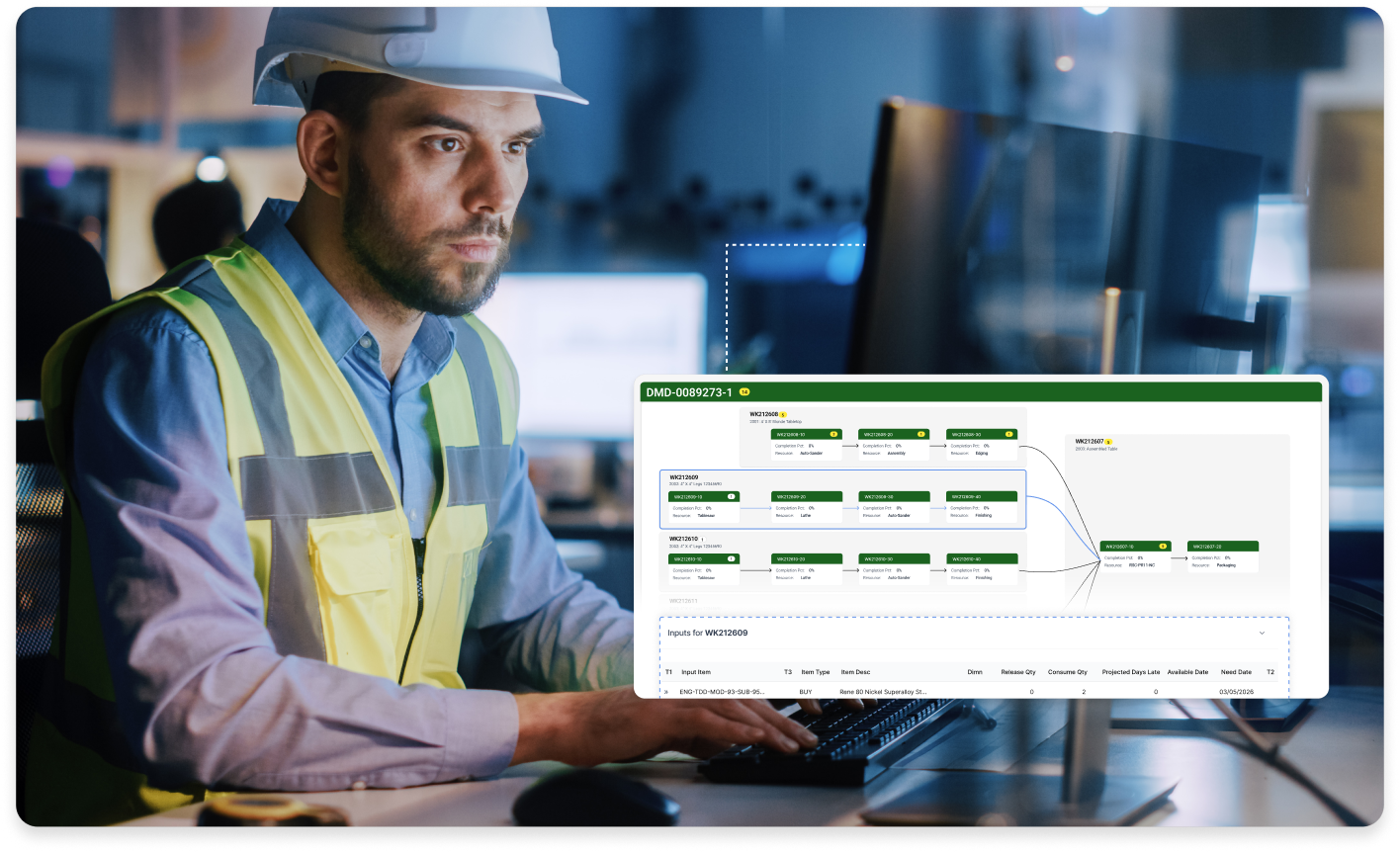
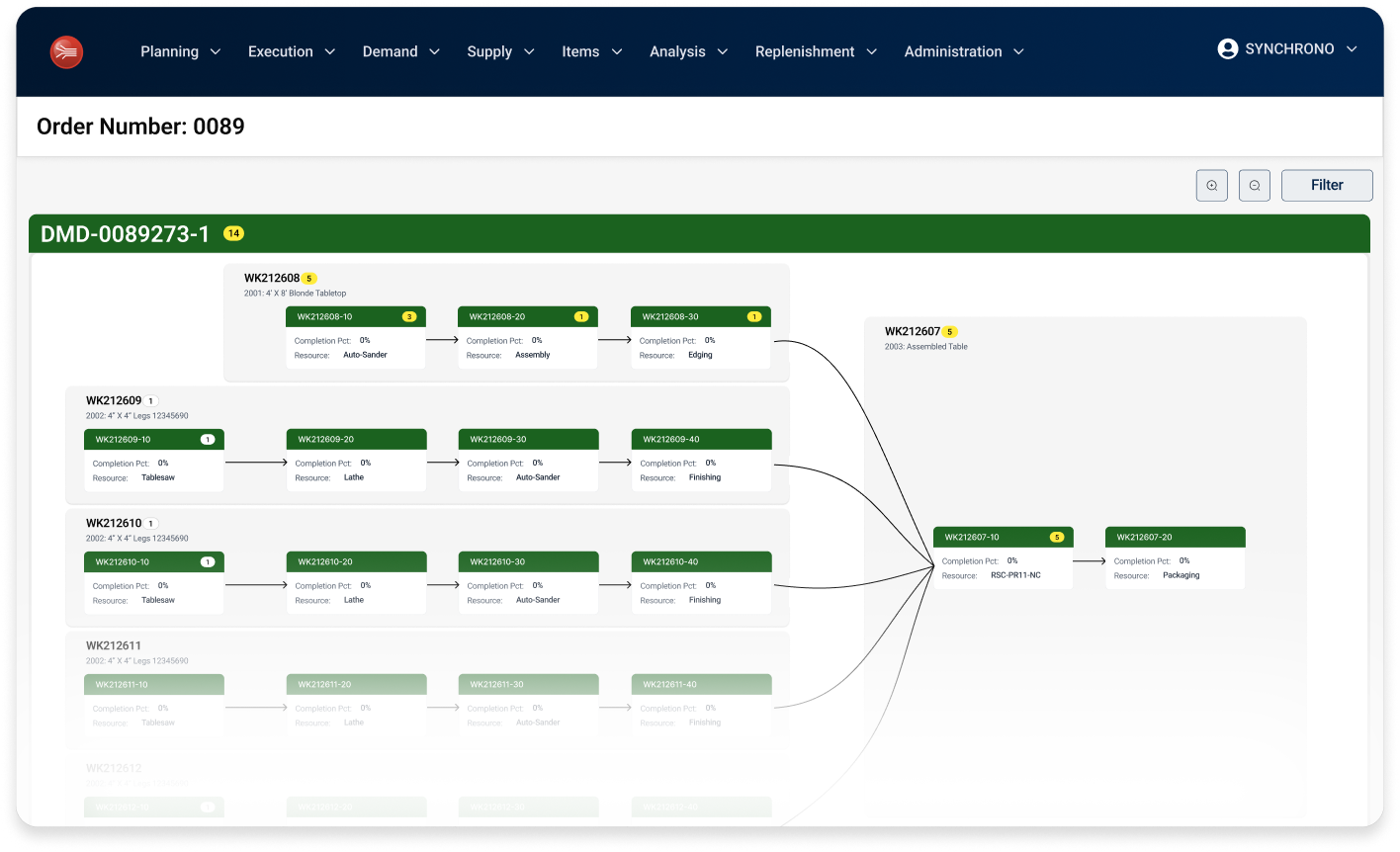
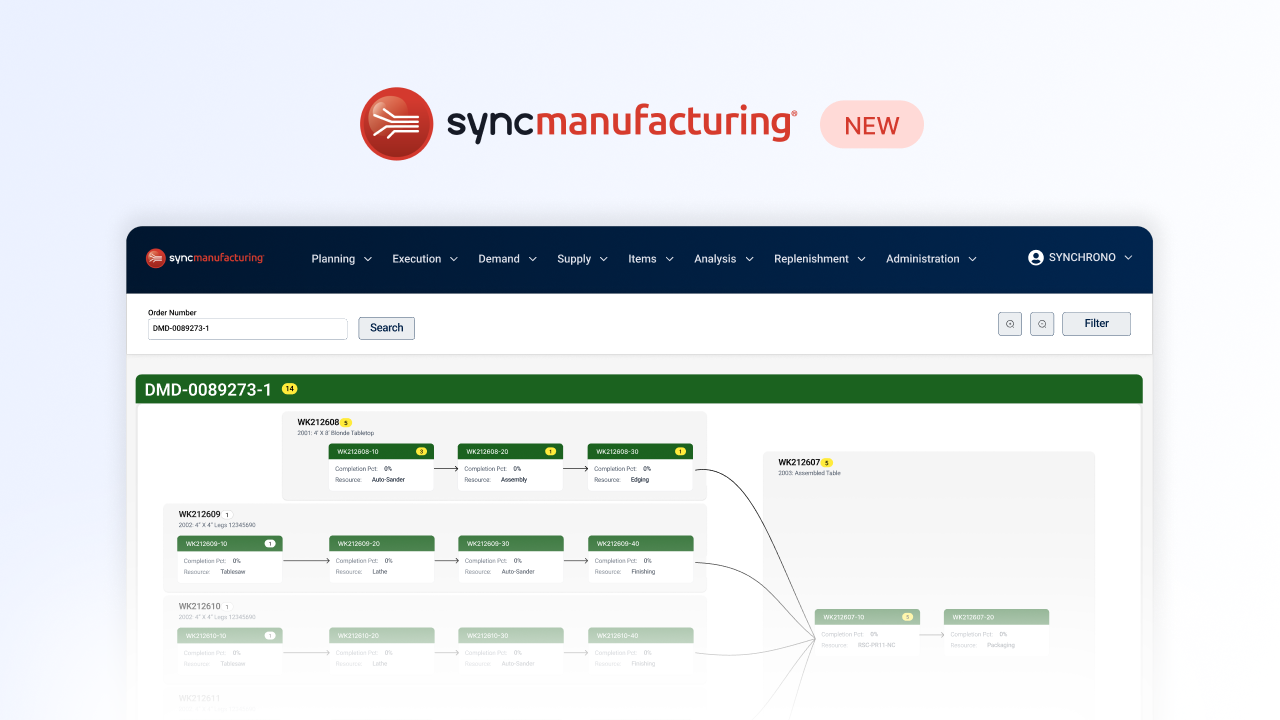
SyncManufacturing from Synchrono is APS software designed for high‑mix, multi‑level, constraint‑intensive manufacturing. The system generates a finite‑capacity schedule that reflects actual material, labor, and equipment availability, and lets planners view and adjust schedules across sites, lines, and resources while automatically accounting for constraints such as tooling, changeovers, and downtime.

Solumina MES: The Execution Backbone
Solumina MES from iBase‑t is built for complex discrete manufacturing, including aerospace and defense, industrial equipment, and other highly engineered products. It serves as the execution backbone that manages production definitions, work instructions, routings, resources, quality, and genealogy across the enterprise. Operators use Solumina to execute work orders, capture data, record inspections, and manage nonconformances, while supervisors and engineers rely on it for visibility, traceability, and continuous improvement.
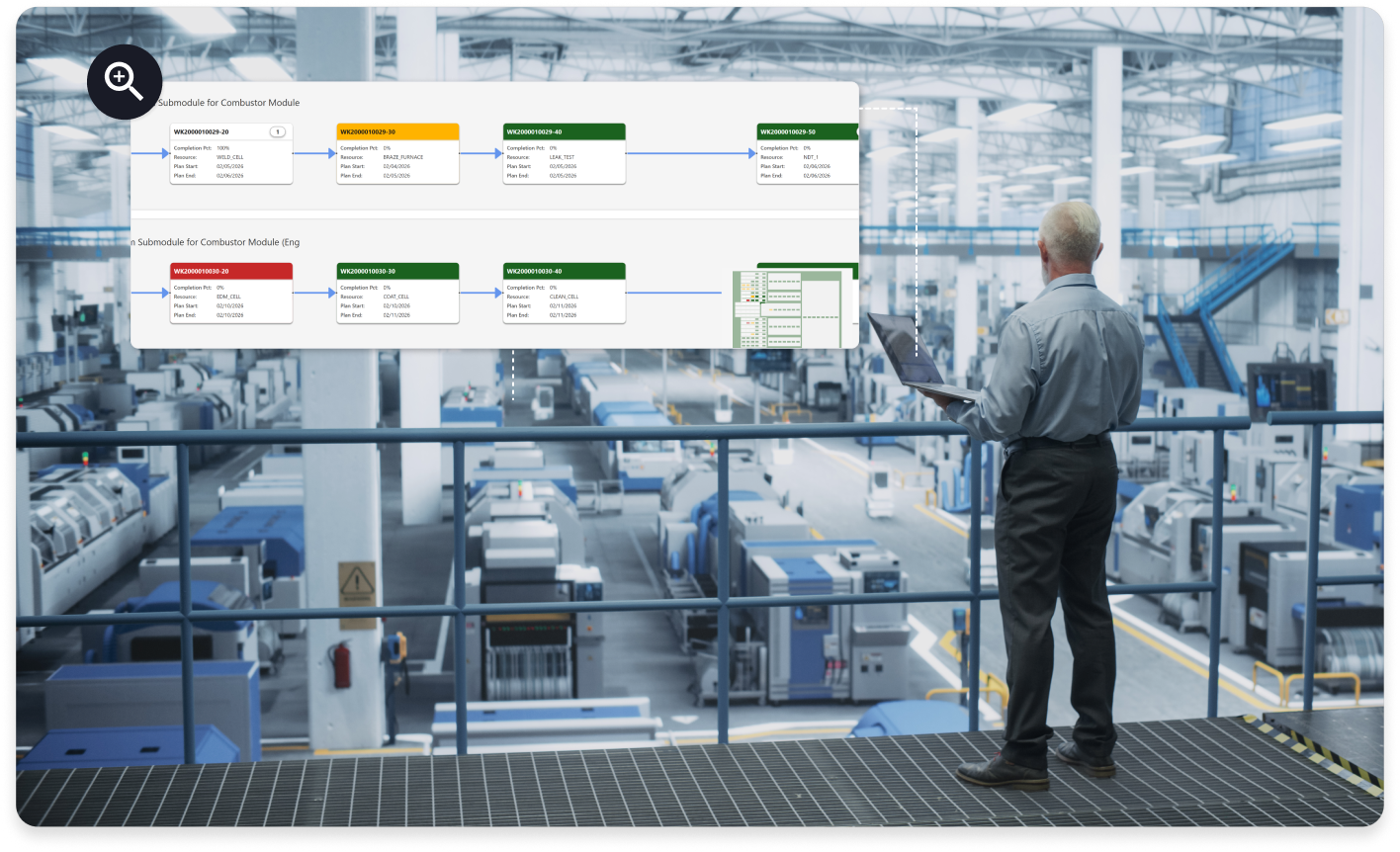
Equally important, Solumina is designed as a connected, data‑rich hub. Its open, modern architecture lets it exchange information with ERP, PLM, quality systems, and shop‑floor automation. That makes Solumina an ideal source of real‑time status information: actual start and finish times, machine and labor availability, WIP location, and quality events. APS engines like SyncManufacturing use this data to maintain schedule accuracy and actionability.
Real-Time, Closed-Loop Production Management
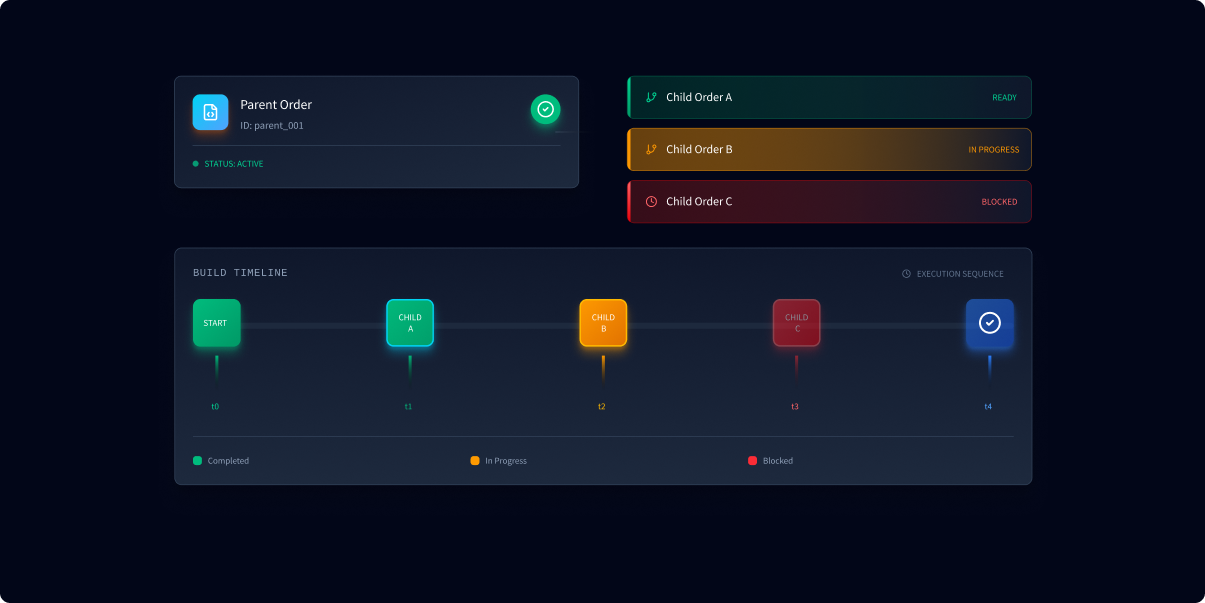
The synchronization of SyncManufacturing and Solumina creates a closed‑loop production management environment where information flows continuously between planning and execution. In this loop, every change on the shop floor feeds back into the schedule, and every updated schedule is immediately reflected in execution priorities.
Solumina supplies real‑time execution data: the status of each operation, resource availability, current WIP locations, and quality holds or rework requirements. As operators start, complete, or delay work, those events feed into SyncManufacturing, which re‑optimizes the production schedule to reflect the current shop‑floor reality. Operators see updated queues for each work center that are aligned with material availability, capacity constraints, and customer priorities, while supervisors can quickly understand the impact of disruptions, such as machine downtime, rush orders, and shortages, on downstream operations and due dates.
Empowering Planners and the Plant Floor
For planners, one of the biggest benefits is less time spent gathering information either from the plant floor or from disconnected systems. Instead of rebuilding the entire plan when conditions change, they work in a visual, interactive schedule powered by SyncManufacturing, where they can adjust sequences, evaluate trade‑offs, and immediately see downstream effects. Because the schedule is updated as Solumina reports actual progress and events, planners stop chasing static data and start managing performance.
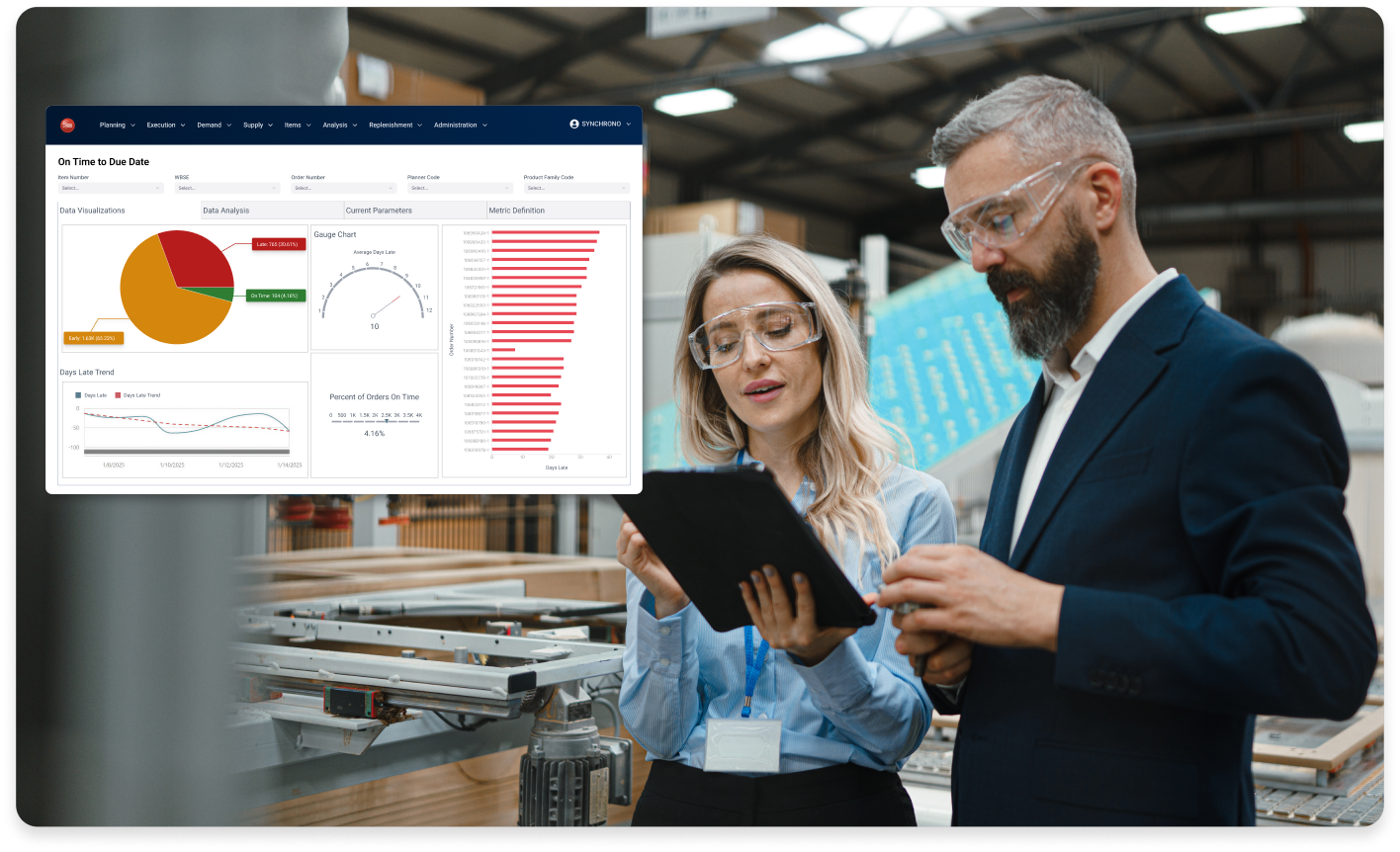
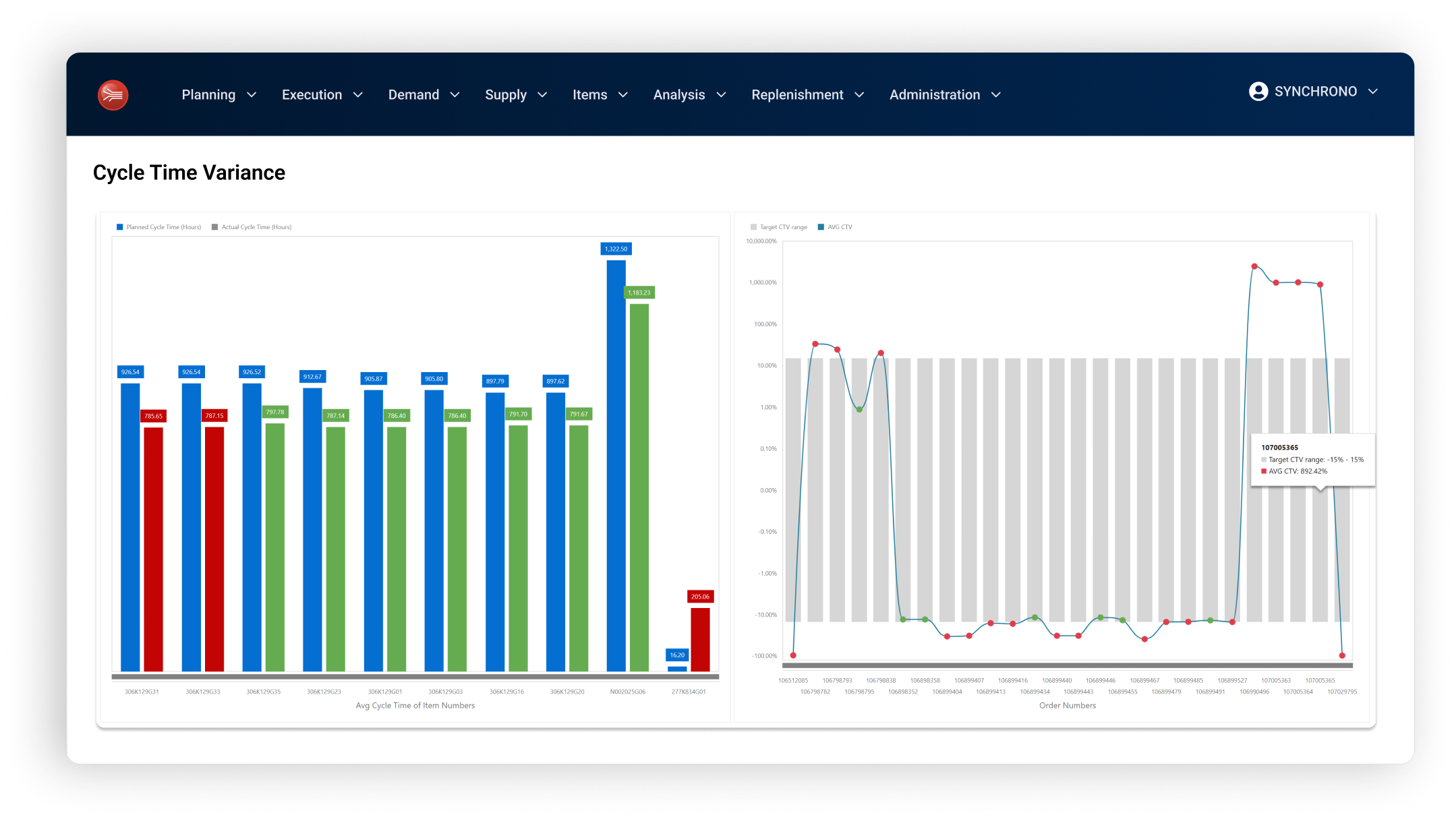
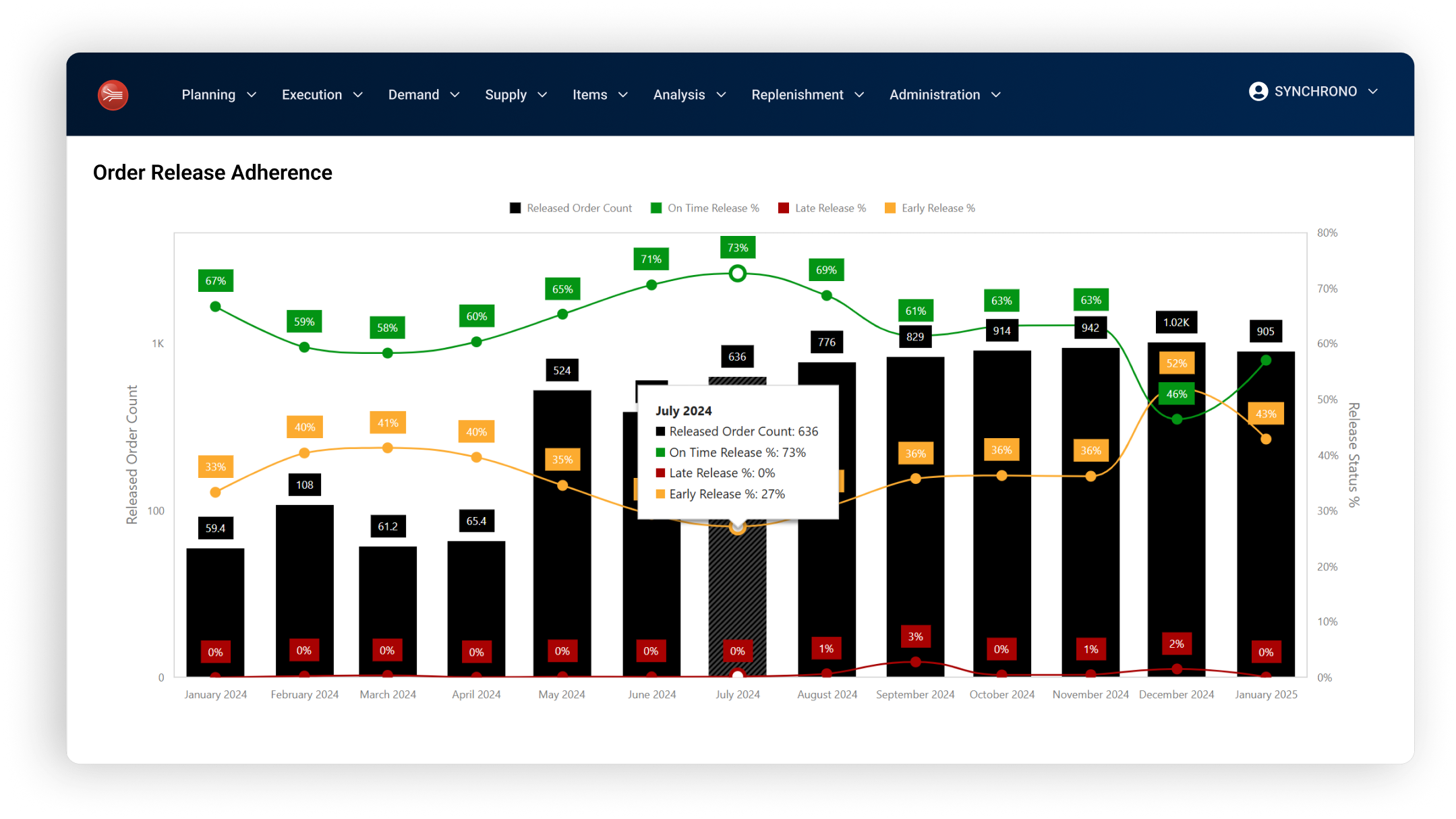
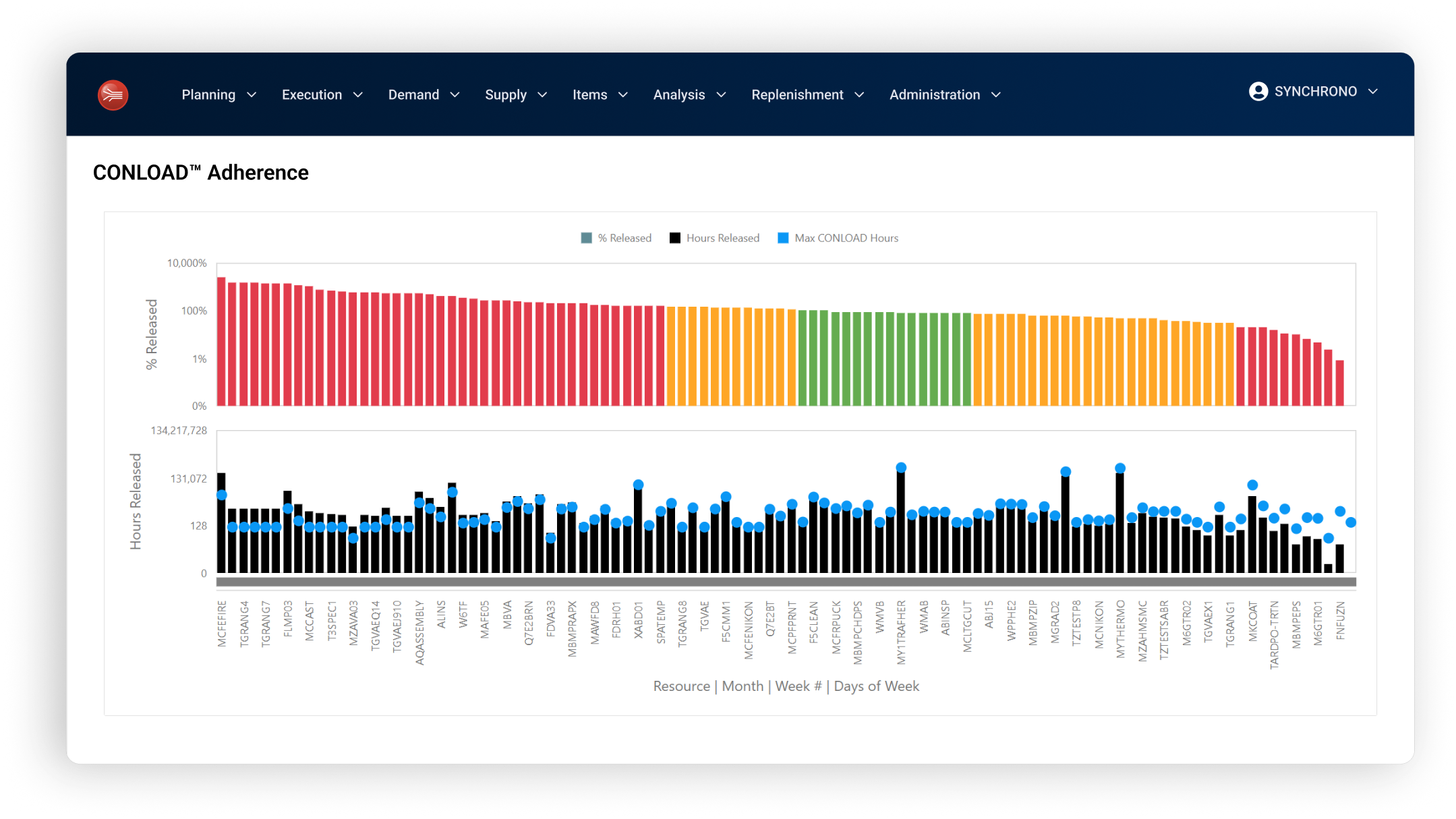
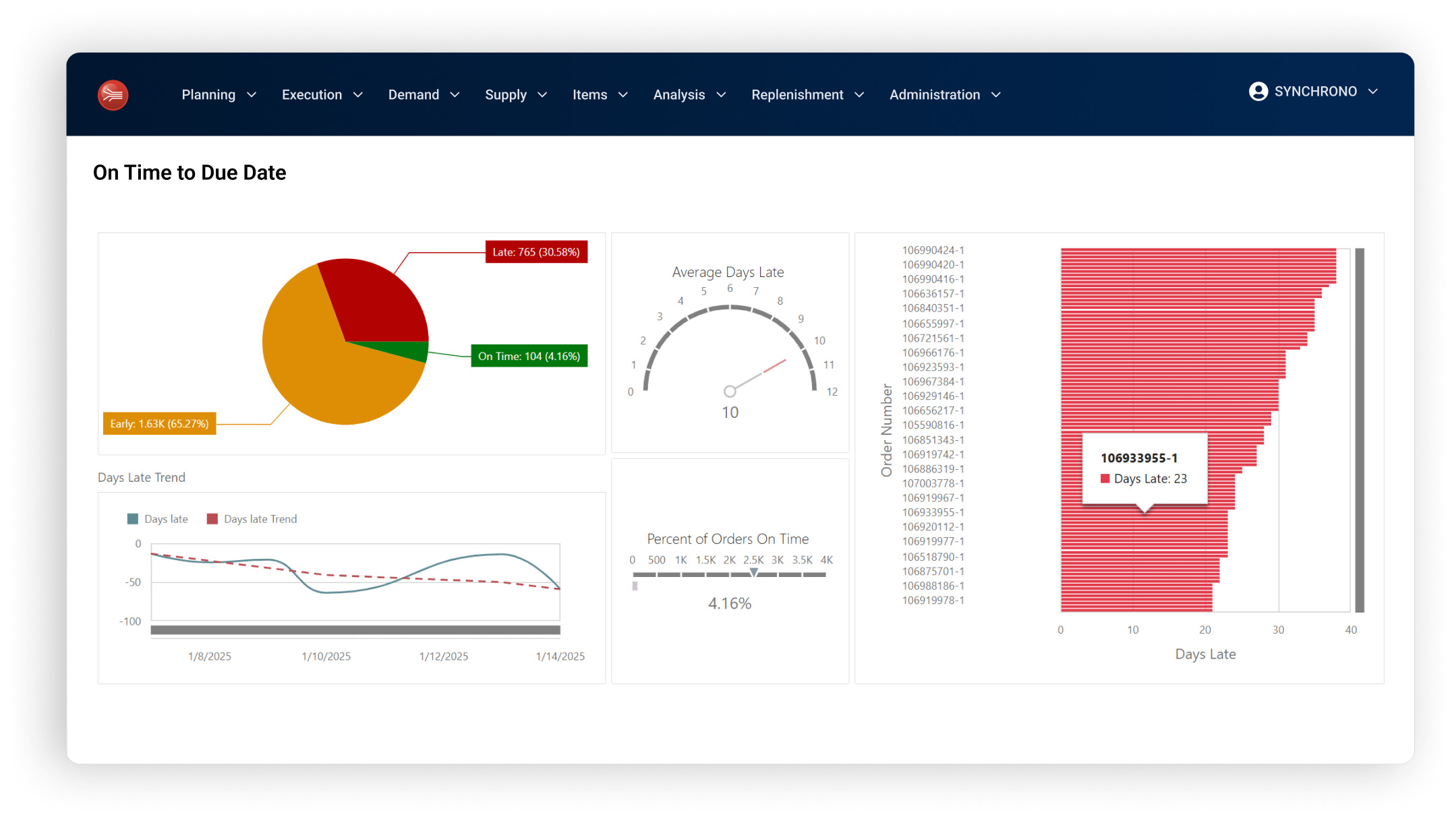
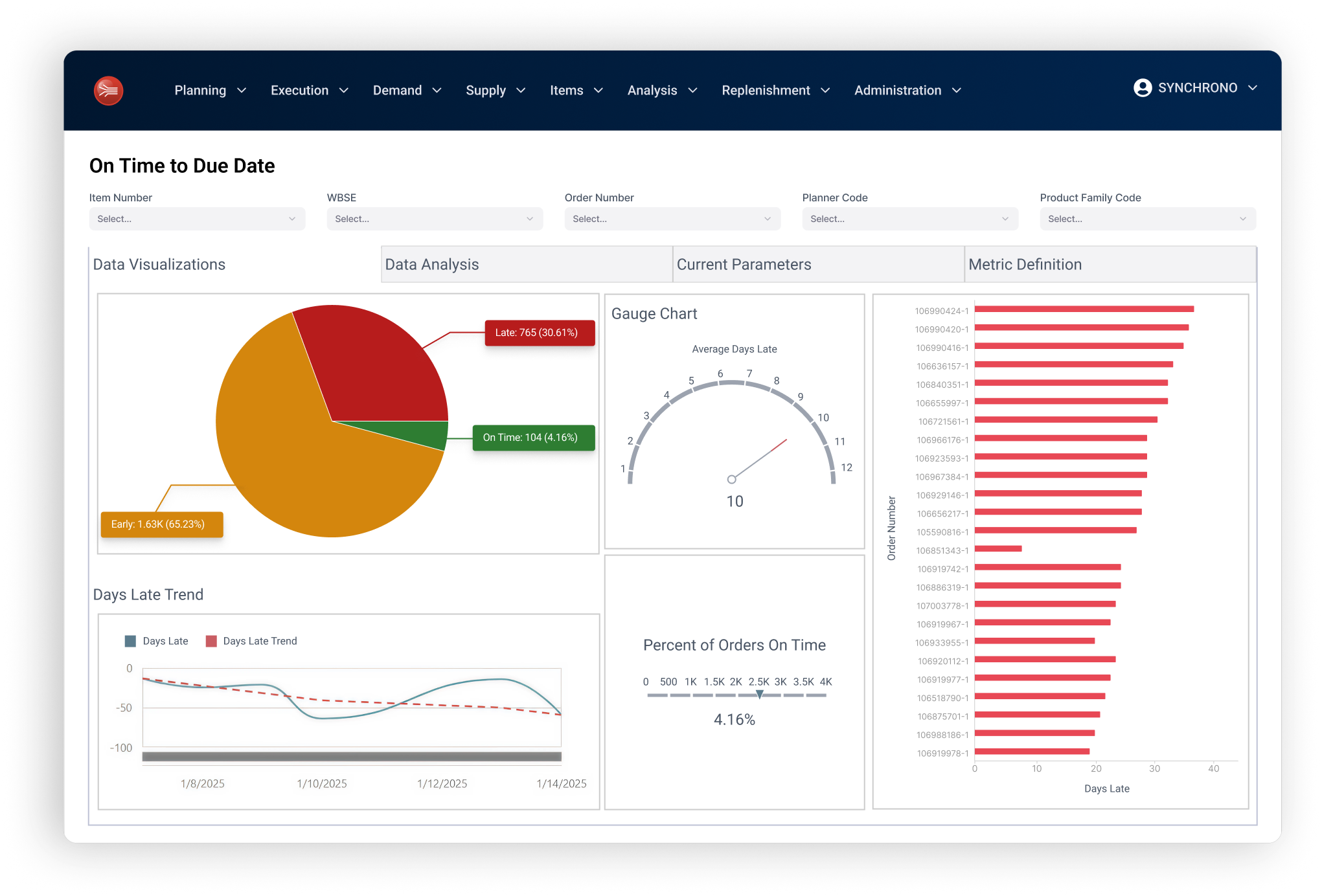
For operators and supervisors, the day‑to‑day experience also improves. Operators receive clear, current priorities, reducing confusion and unproductive time spent waiting for instructions or material. They know which job should run next and why. Supervisors get real‑time dashboards showing bottlenecks, WIP levels, and key metrics such as schedule attainment, throughput, and resource utilization. When disruptions occur, they can rely on SyncManufacturing to guide their recovery and help them get production back on track.
Case Study:
From Manual Scheduling to Real-Time Precision: Digital Transformation with Synchrono® and iBase-t
View Case Study
Of course, the benefits of synchronized planning and execution systems extend beyond day‑to‑day efficiency. Manufacturers gain tangible improvements such as higher throughput, better on‑time delivery, and improved schedule reliability. By aligning resources with actual demand and constraints, organizations reduce inventory, minimize expediting, and improve margin on existing volume.
Strategically, the synchronization gives manufacturers tighter control over highly complex production, where a single customer order can drive hundreds or even thousands of interdependent work orders. By synchronizing planning and execution data, teams can see how changes ripple across shared resources and connected routings, understand the true cost and lead‑time impact of every decision, and prioritize work in a way that protects strategic goals, contracts, and delivery commitments.
Take the Next Step
If you’re feeling the pain of production management systems and processes that haven’t kept pace with your operations or strategic vision, it’s time to move to a more connected model. Schedule a demo of SyncManufacturing and learn how it integrates with Solumina MES to synchronize planning and execution.