
Blog
-

APS‑Driven MRO: Bringing Structure to Uncertainty
Complex manufacturing environments run on tight margins, and even tighter delivery promises. Advanced Planning and Scheduling (APS) software helps coordinate materials, labor, and equipment in traditional production or new-build environments, where work is well defined and repeatable. What often gets overlooked is that APS can just as effectively support another type of manufacturing: Maintenance, Repair, and Overhaul (MRO) environments, where…
-

What Is Master Scheduling in Discrete Manufacturing?
Table of Contents Why Master Scheduling Still Matters In discrete manufacturing, master scheduling establishes a high-level production plan that connects demand with available capacity over time. It serves as the backbone of production planning and scheduling, translating customer requirements into a structured roadmap that reflects real-world constraints such as materials, labor, and equipment availability. Rather…
-

AI in Production Scheduling: What Discrete Manufacturers Need to Know
Table of Contents Artificial intelligence is rapidly becoming part of the manufacturing conversation. For discrete manufacturers in particular, the question is no longer whether AI will influence production scheduling, but how. Understanding what AI truly means in this context, and what it does not, can help organizations make informed decisions about the future of their…
-

APS + MES = Real-Time Precision
How SyncManufacturing® APS and Solumina MES Work Together to Close the Loop Between Planning and Execution Despite unprecedented access to computing power and advanced systems, many manufacturers still rely on spreadsheets, tribal knowledge, and disconnected point systems to manage production. This means their days are often spent chasing down information, working to outdated schedules, and…
-
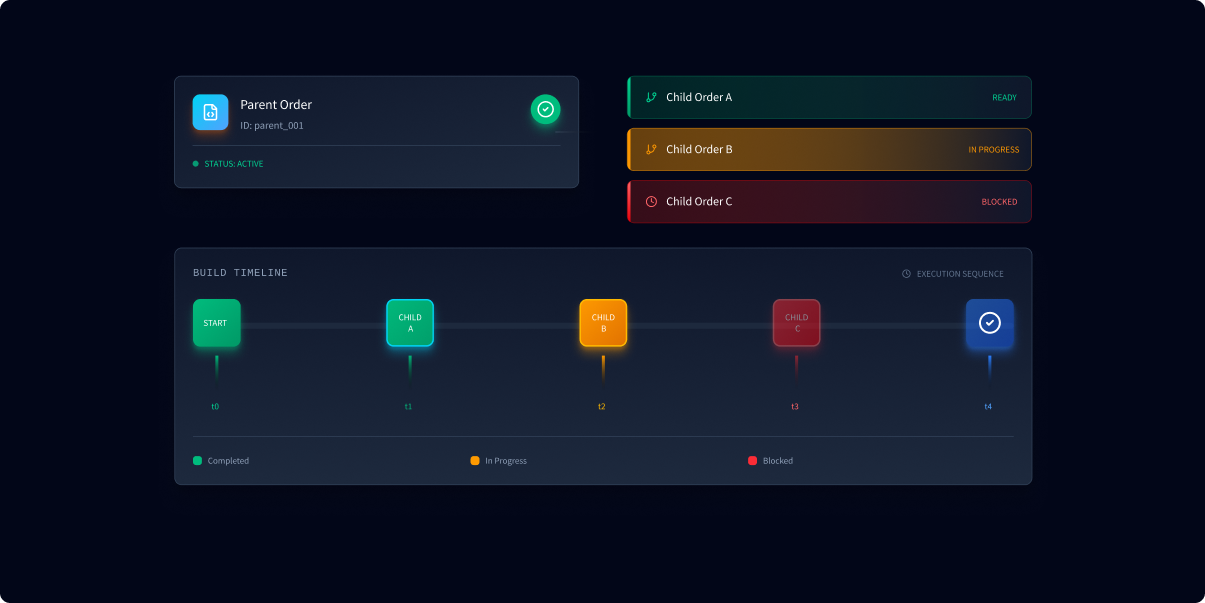
Synchronized Manufacturing: Using Supply Allocation to Orchestrate Complex Build Structures
It’s amazing to watch a school of fish swimming—each one turning, accelerating, and slowing in perfect unison, as if they were a single organism. Their very survival depends on synchronization. Staying tightly coordinated lets them react instantly to predators, shift around obstacles, and navigate a vast, unpredictable ocean. Complex manufacturing environments work much the same way.…
-

Why APS Implementations Fail in Discrete Manufacturing
As it is with all technologies, Advanced Planning Systems (APS) have implementation successes and implementation failures. When APS implementation fails in discrete manufacturing scheduling, it can be for a variety of reasons. Here’s a look at what causes APS implementations to fail and what can be done to overcome these failures. While many professionals might…