
Category: Lean Manufacturing
-

What Is Master Scheduling in Discrete Manufacturing?
Table of Contents Why Master Scheduling Still Matters In discrete manufacturing, master scheduling establishes a high-level production plan that connects demand with available capacity over time. It serves as the backbone of production planning and scheduling, translating customer requirements into a structured roadmap that reflects real-world constraints such as materials, labor, and equipment availability. Rather…
-

AI in Production Scheduling: What Discrete Manufacturers Need to Know
Table of Contents Artificial intelligence is rapidly becoming part of the manufacturing conversation. For discrete manufacturers in particular, the question is no longer whether AI will influence production scheduling, but how. Understanding what AI truly means in this context, and what it does not, can help organizations make informed decisions about the future of their…
-

Real-Time Inventory and WIP Visibility for Discrete Manufacturing
Real-time inventory visibility gives discrete manufacturers a live, trusted view of material availability and work-in-process (WIP) across the plant. Instead of relying on static ERP reports, teams see inventory status as it changes, supporting better scheduling decisions, smoother execution, and more reliable delivery performance. By connecting inventory and WIP data to production priorities, manufacturers can…
-

Efficiency vs. Productivity: Metrics that Matter…Until They Don’t
Measure efficiency and productivity against your REAL goal I keep seeing the word efficiency in manufacturing media. As someone who specializes in Constraints Management, this term is particularly vexing. It’s one of those words that I believe should be used with extreme caution. When we look at the organizations of today, words like efficiency and…
-
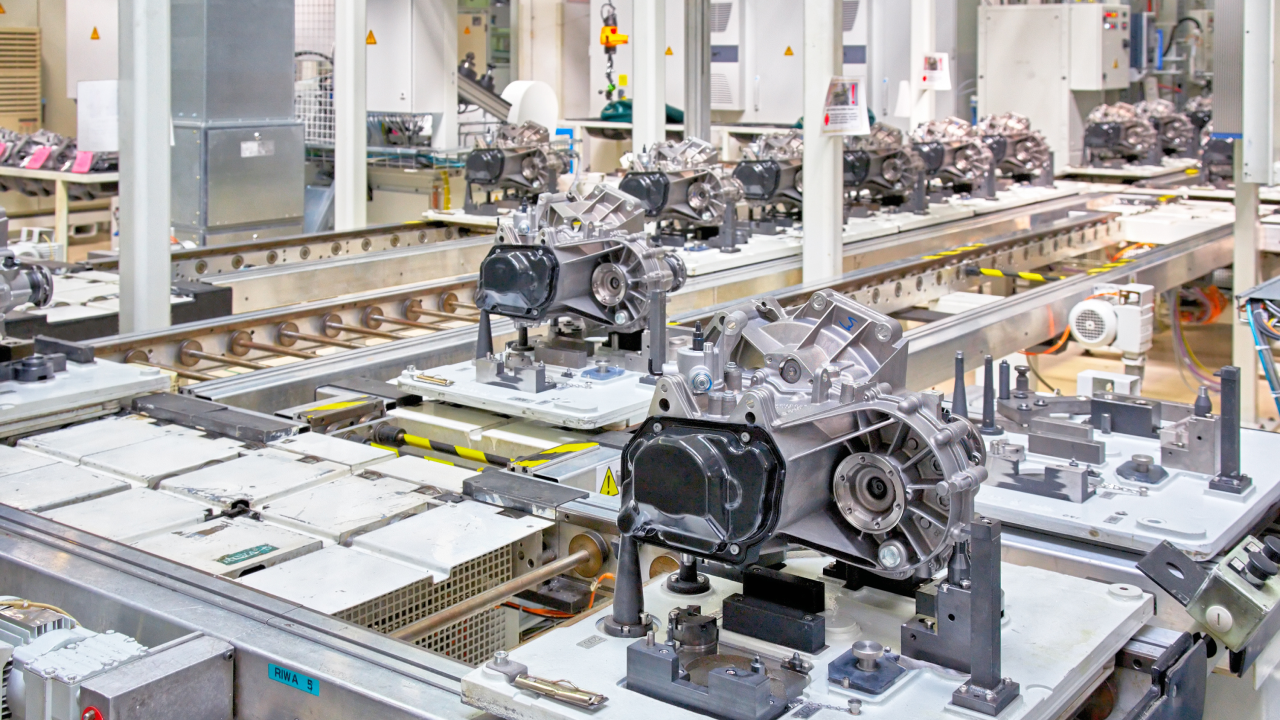
The Devastating Impact of Too Much WIP: How Excess Inventory Kills Manufacturing Flow
In manufacturing, WIP (Work in Progress or Work in Process) refers to partially finished goods that are at various stages of production but not yet completed. In accounting terms, WIP represents the value of raw materials, labor, and overhead that has been invested in unfinished product. Reducing WIP is a frequently cited goal for many…
-

Finite Capacity Planning: The Key to Meeting Customer Expectations
Table of Contents In competitive markets, meeting customer commitments is critical. If resources like inventory, people, and equipment were always readily available, consistently delivering on time wouldn’t be such a challenge. The difficulty is that nearly all manufacturing operations have constraints. In this post, I will drill down into finite capacity planning, how it helps…